Creating Compiler
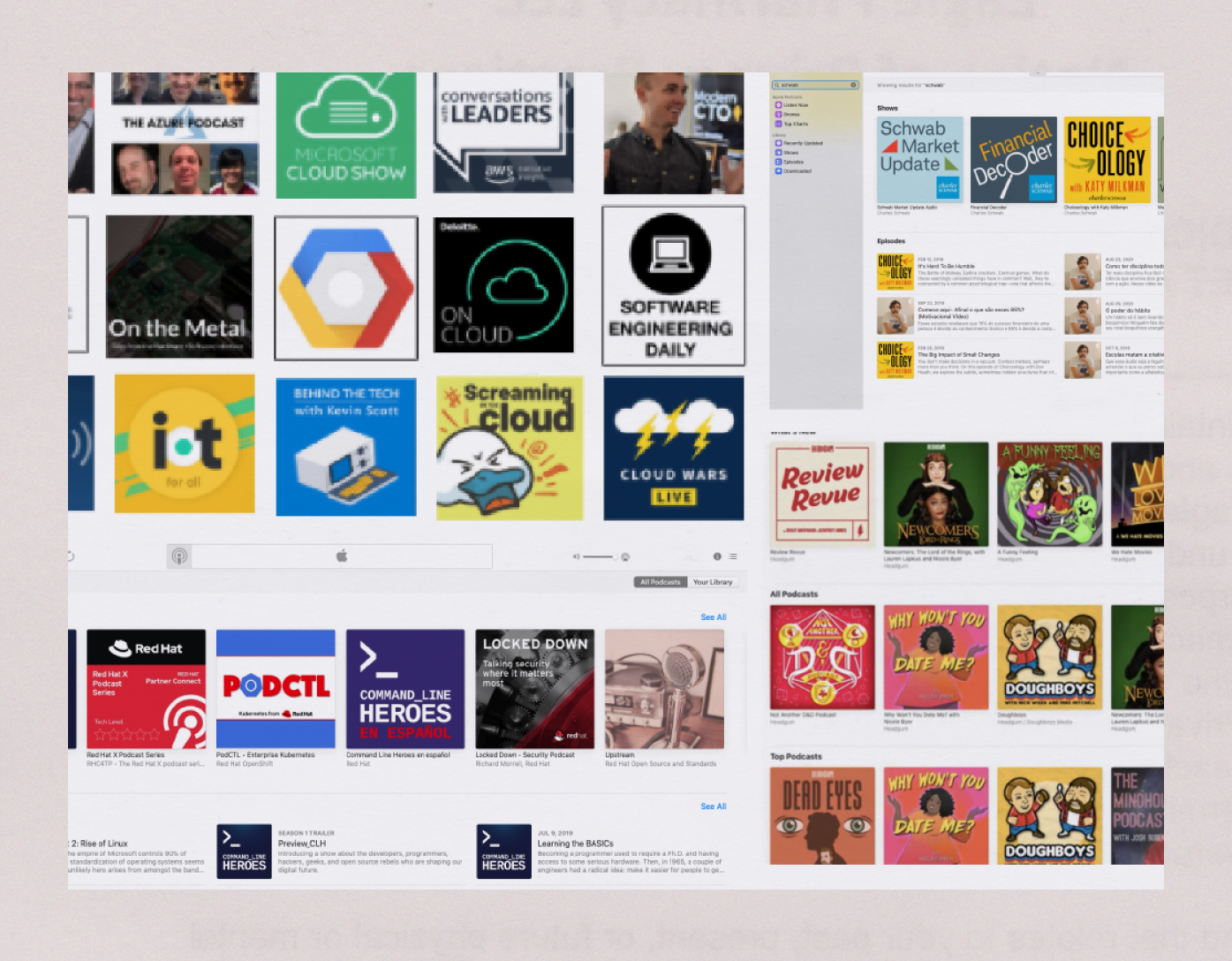
As pre-work for our concepting process, we partnered with Pacific Content to map the main podcast neighborhoods in the tech space, ensuring we were filling a genuine gap rather than adding to the noise. We also ran competitive analysis across podcast networks ranging from Charles Schwab to Gimlet, which helped us identify the overall tone we wanted to land on as we built something new.
Facilitating collaboration sessions
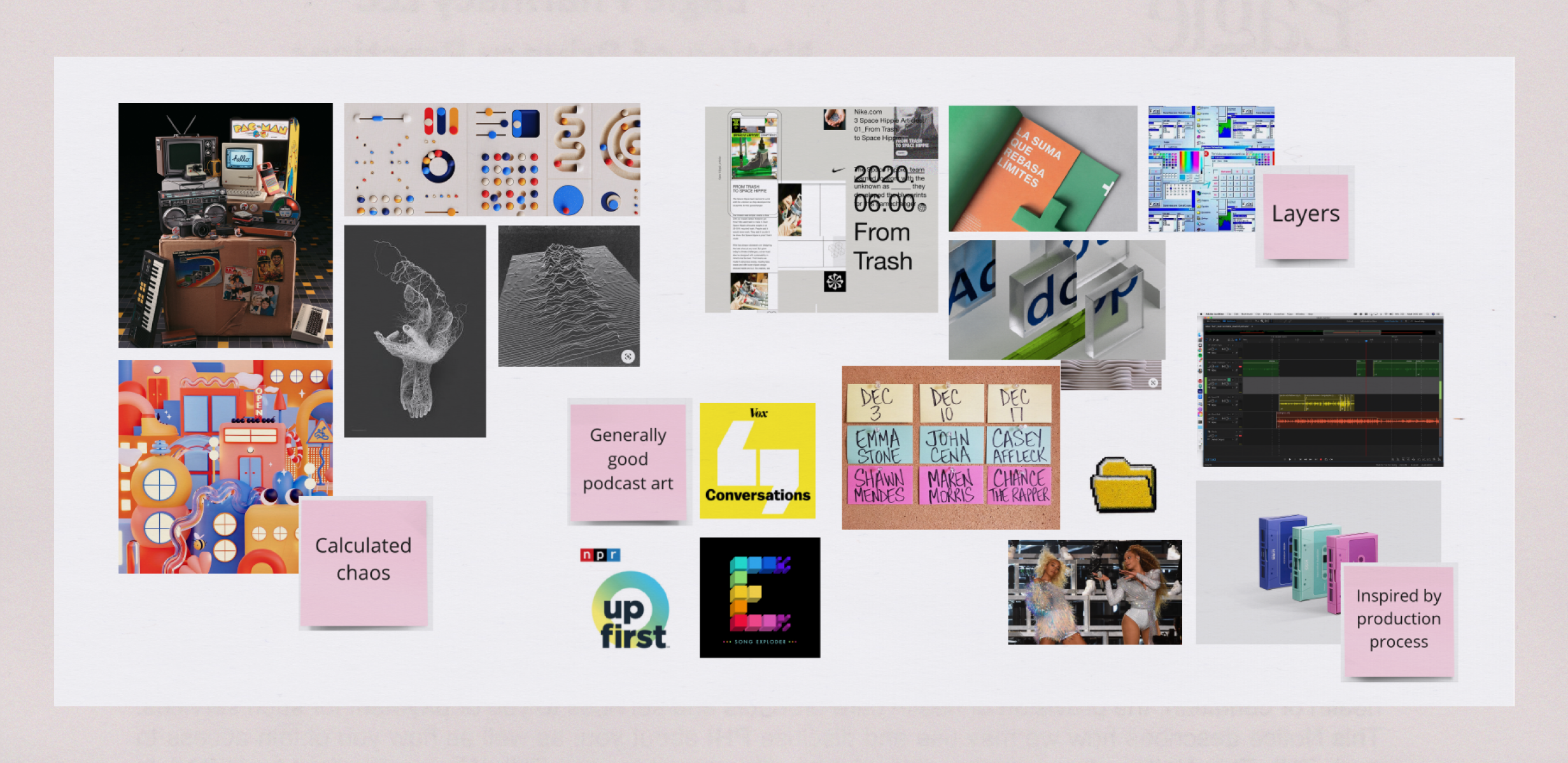
I was responsible for facilitating weekly working sessions with a cross-functional team. At the first couple of these sessions, we dumped anything and everything that was inspiring us into our virtual white boarding space. After a week or two, we started to see clear groups emerge, and I synthesized these buckets into short concept statements.
Iterate, iterate, iterate
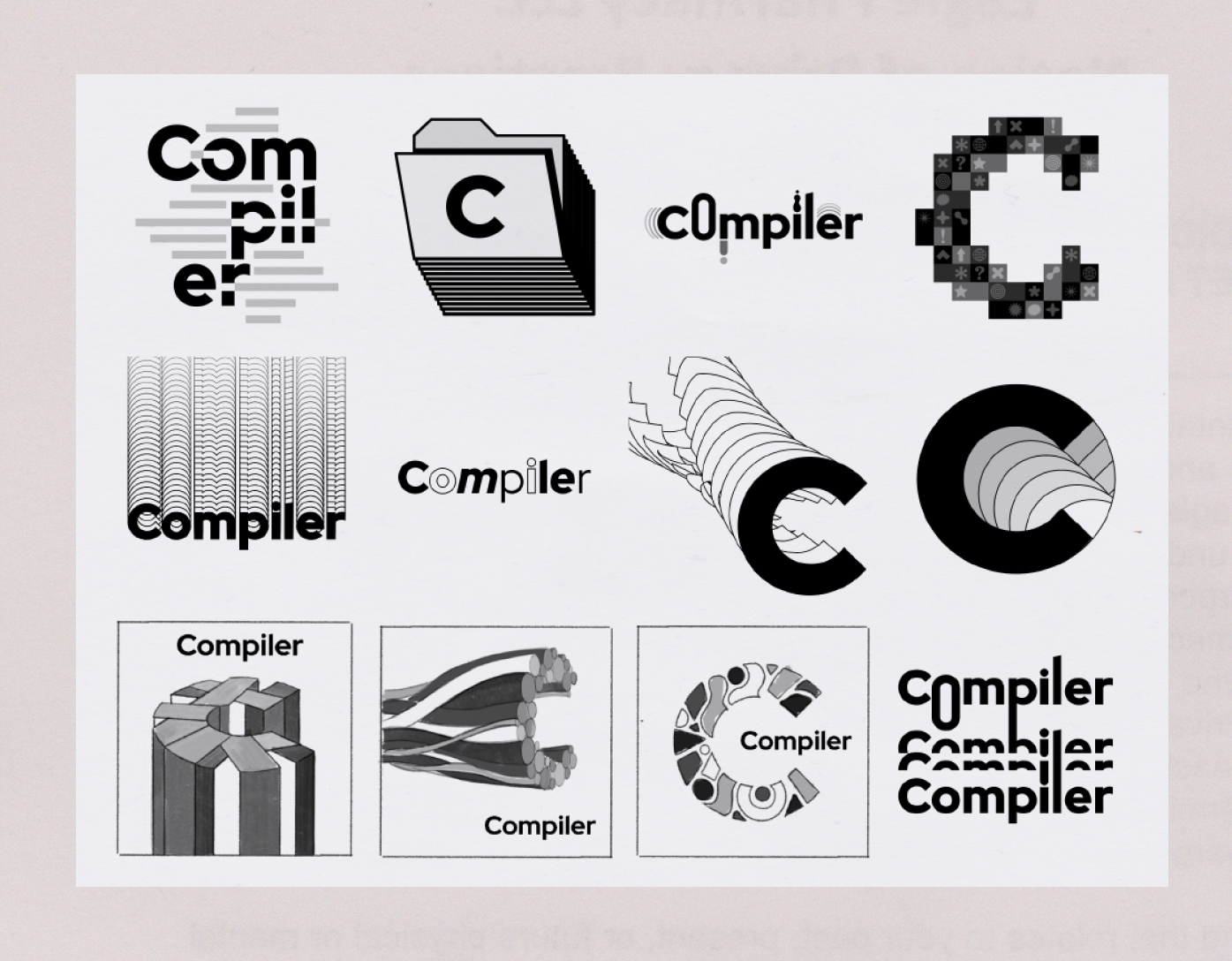
We found that iterating on the podcast thumbnail was the fastest way to generate and vet ideas. As arguably the most-viewed visual asset for any podcast, it needed to be recognizable and impactful. Limiting early ideation to black and white pushed us toward conceptually stronger visual solutions.
At this stage, I synthesized our ideas into clear directions and made calls on what to pursue and what to drop. One key challenge was Red Hat's heavy reliance on red as a brand color, which can read as harsh or carry negative connotations in a tech context. Our team landed on using orange, peach, and yellow to soften the red while keeping the energy and boldness intact.
Establishing a system
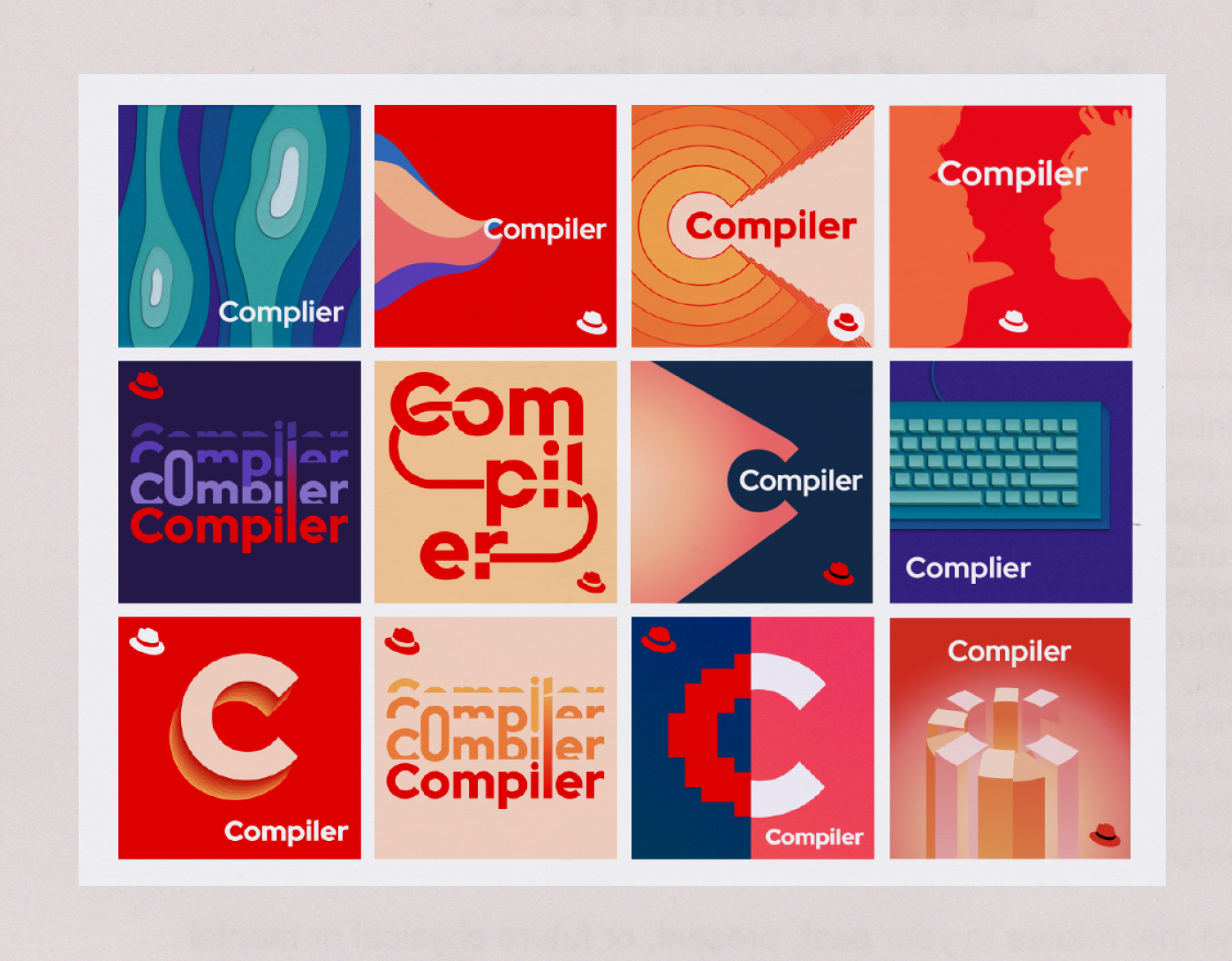
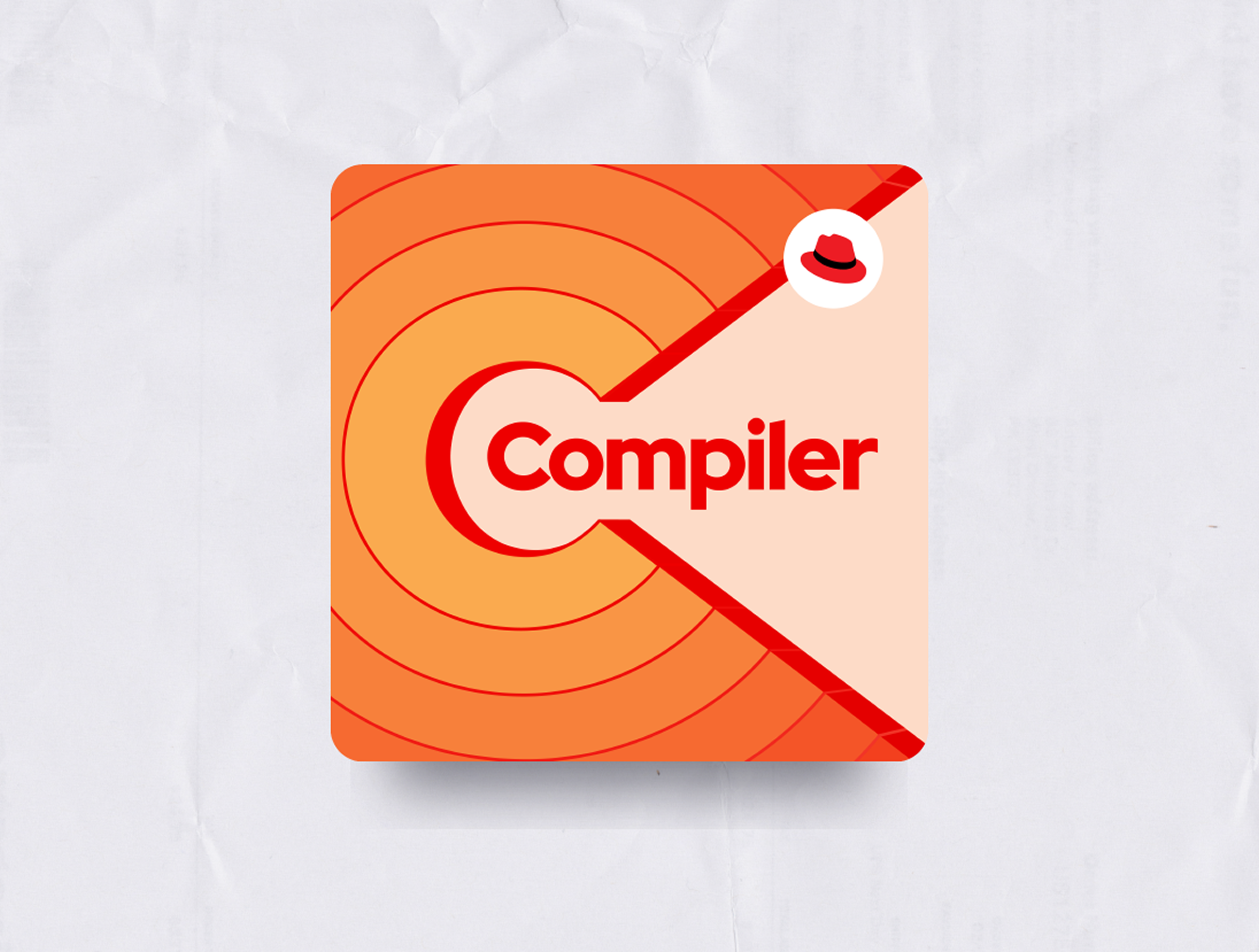
We landed on a concentric circle "C" for the thumbnail, but still needed to expand it into a system flexible enough to support biweekly episodes across widely varying topics. At that point the team split into their respective production roles, and I took on building out the full identity.
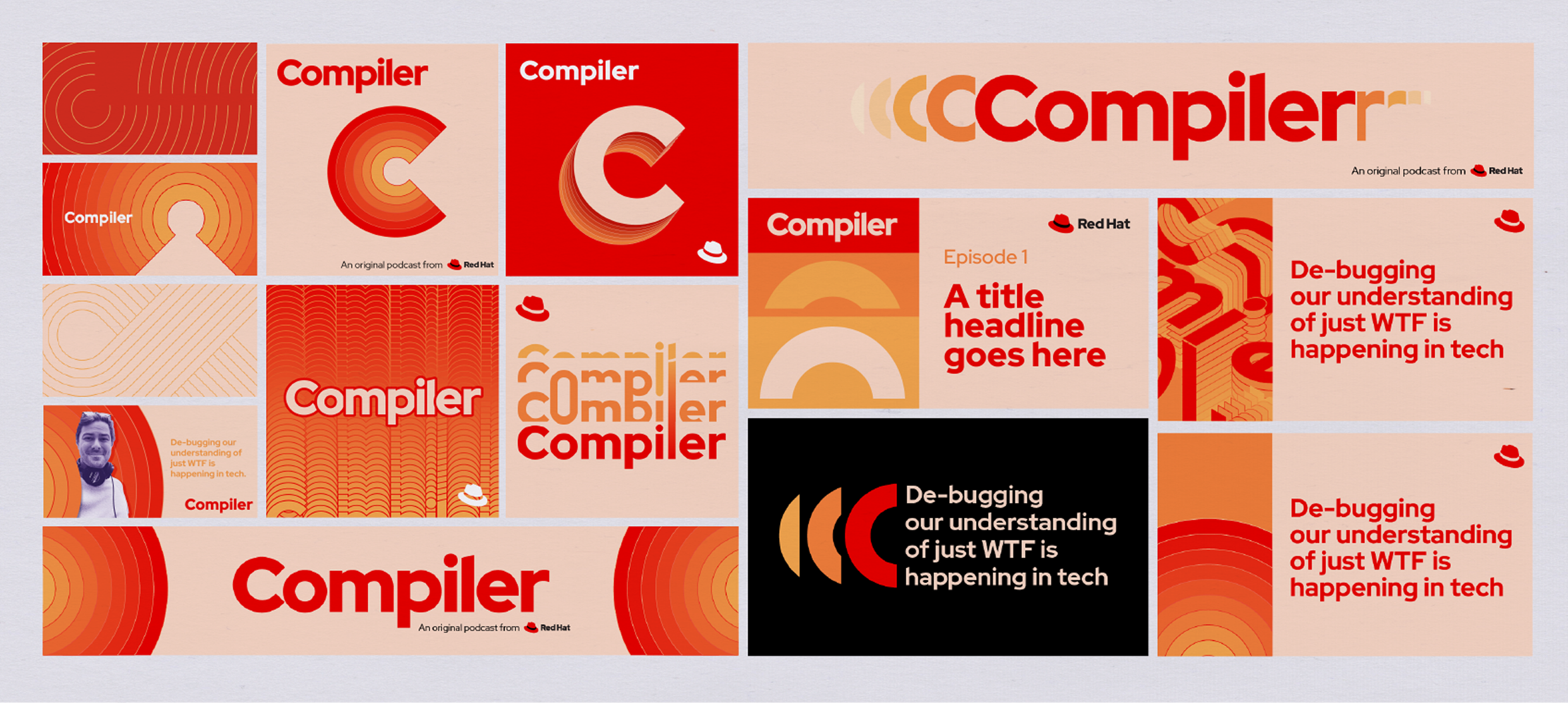
As we tested ideas on placements of different shapes and sizes, I worked alongside our UX and web designers to translate the art direction to web, making sure that it could be adapted to responsive pages and allowed for user-friendly interactions and accessibility. You can view the web experience
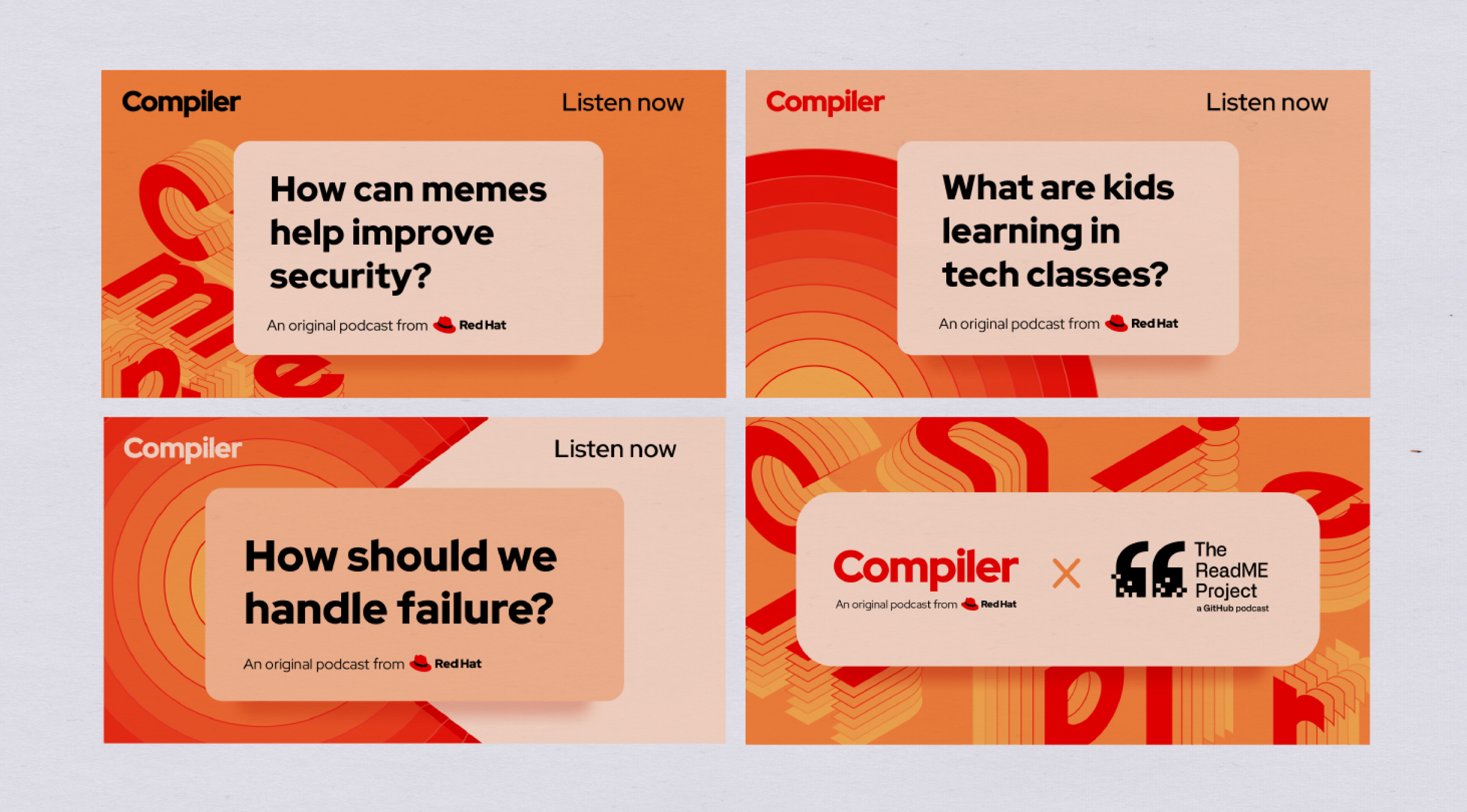
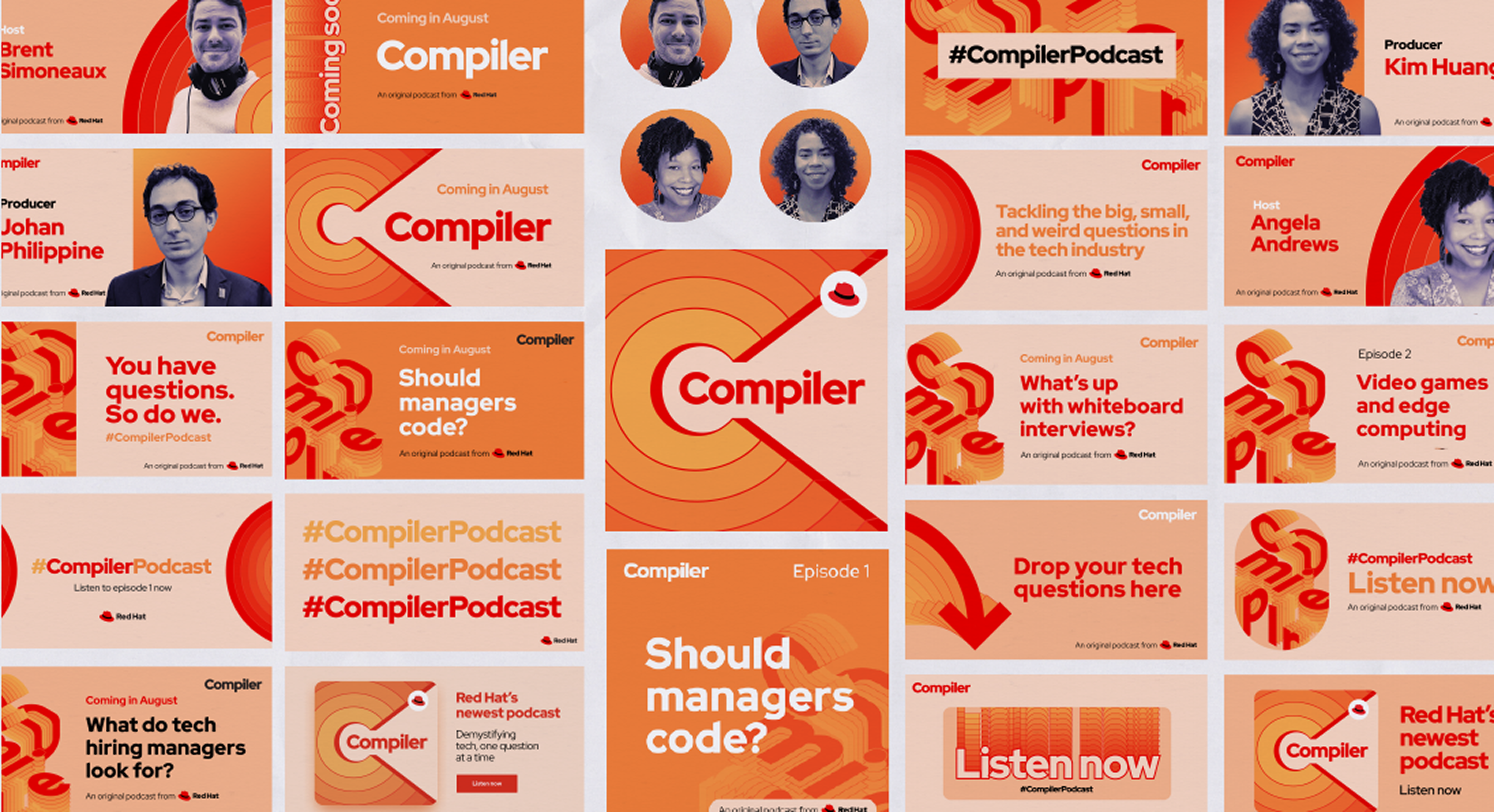
here.A scalable social media kit
With biweekly episodes, the promotional kit needed to be systematic enough for quick asset creation while flexible enough to handle a wide range of topics. ADA compliance was also a key consideration. Though it's often overlooked for flat graphics, these assets contained information not captured in post copy, so legibility mattered. I put real thought into maintaining the dynamic color palette while still meeting contrast requirements.
From one thumbnail to a sustainable, evolving identity system
With the launch of Compiler, we grew our unique Red Hat audio listenership to over 100k in just the first two months in market. The week of launch, Compiler premiered at #48 in Apple’s top podcasts. In the first month we hit 20k unique listeners, and that number continues to grow, with listeners all over the world on every continent but Antarctica.
Command Line Heroes Season 9
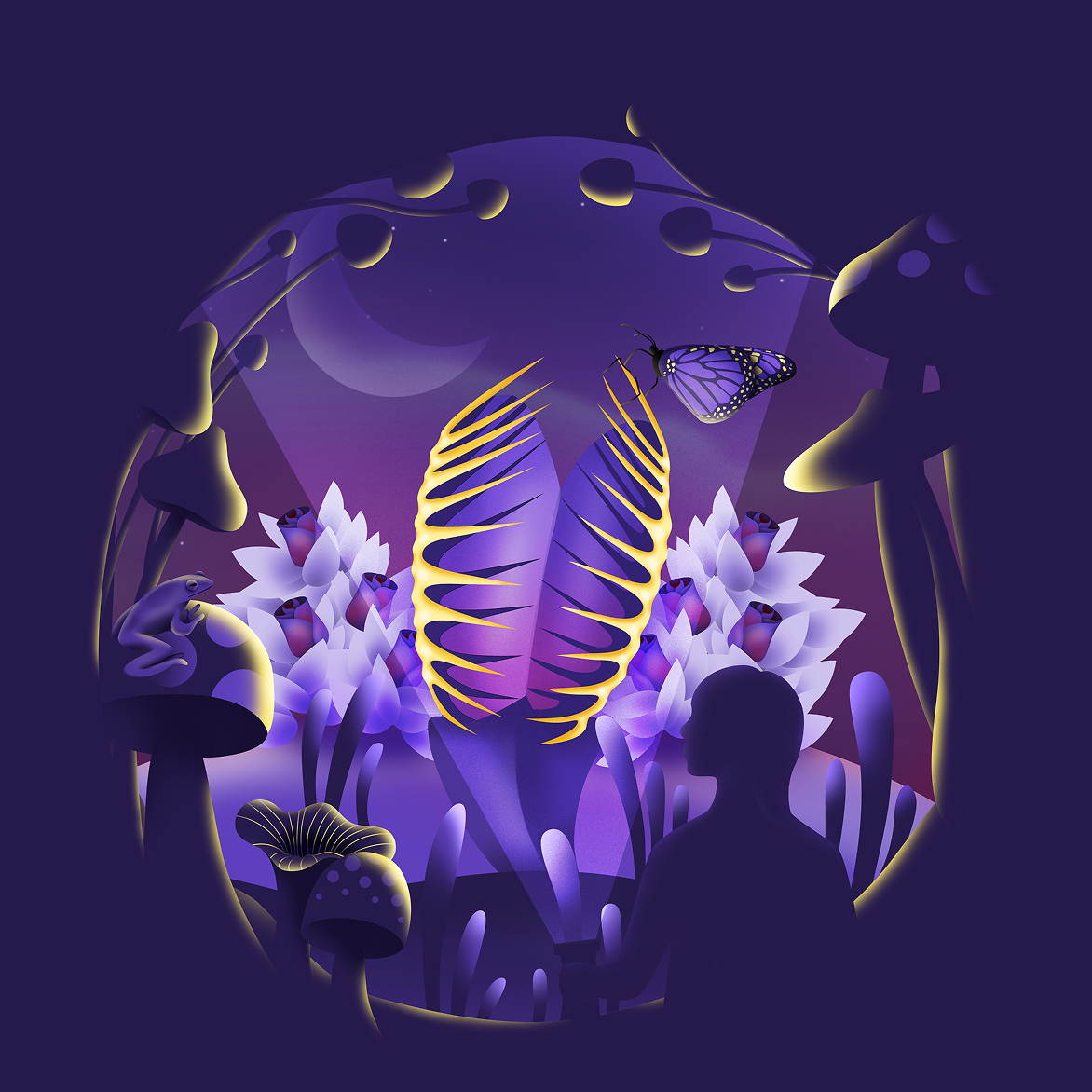
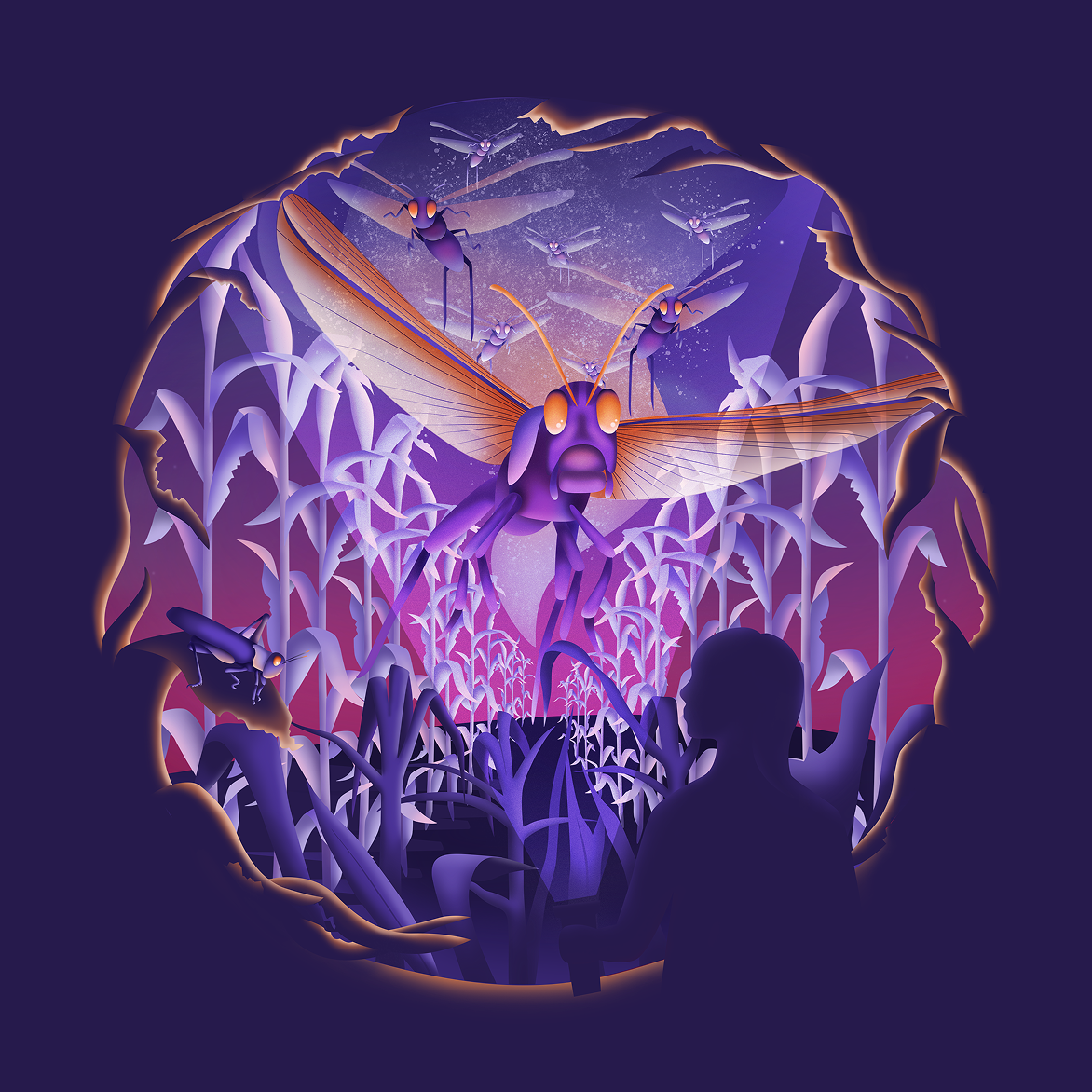
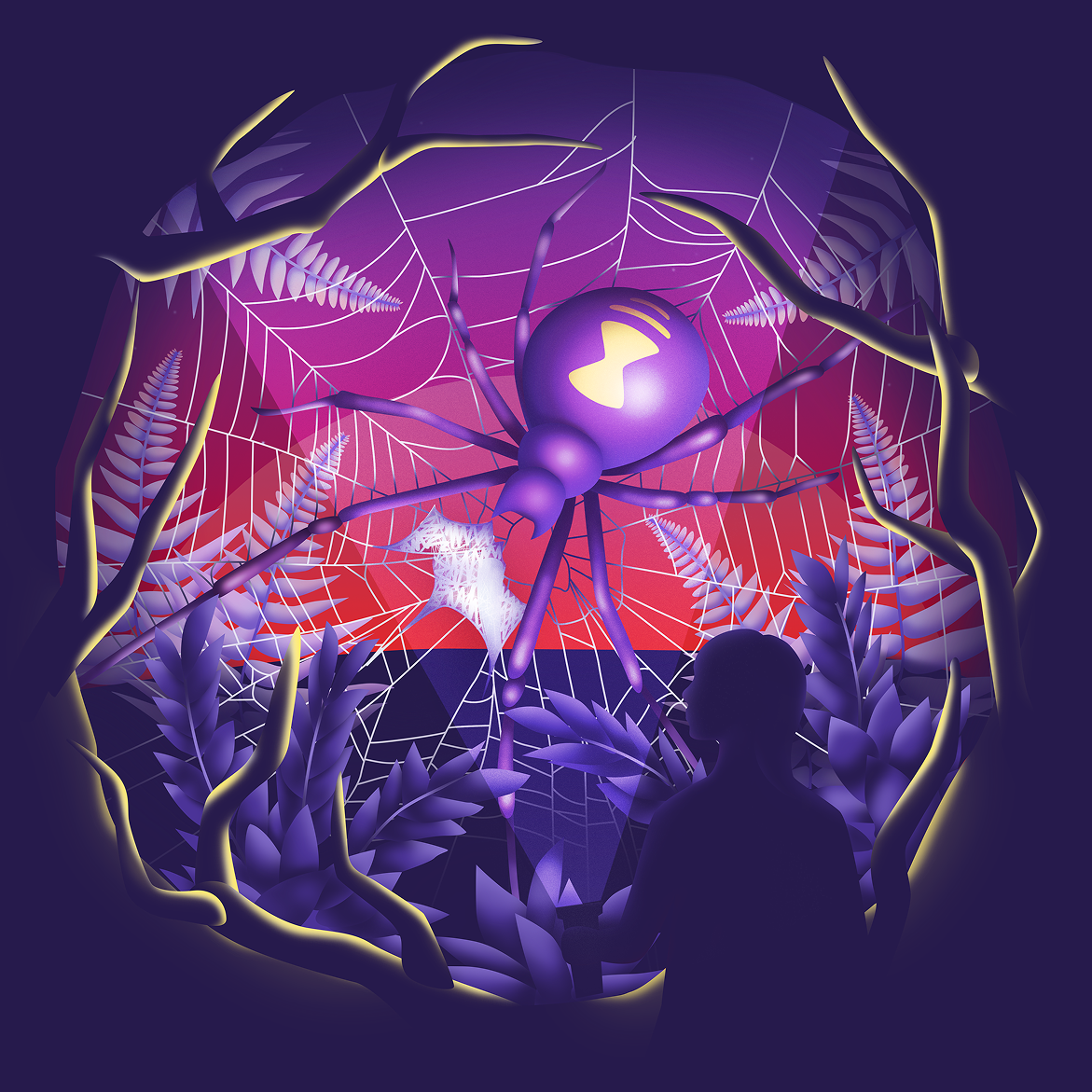
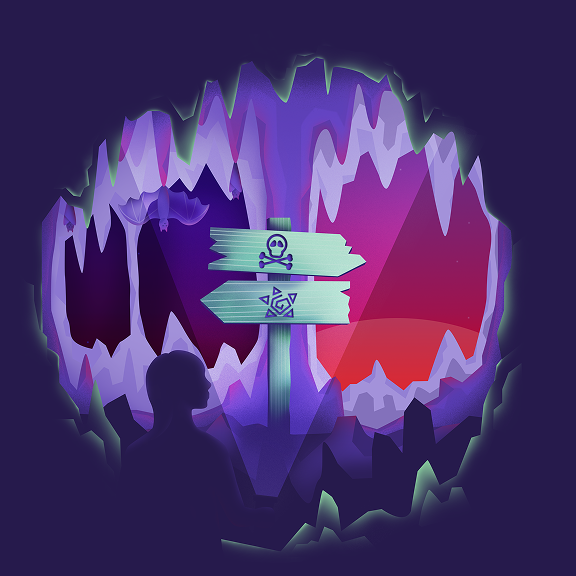
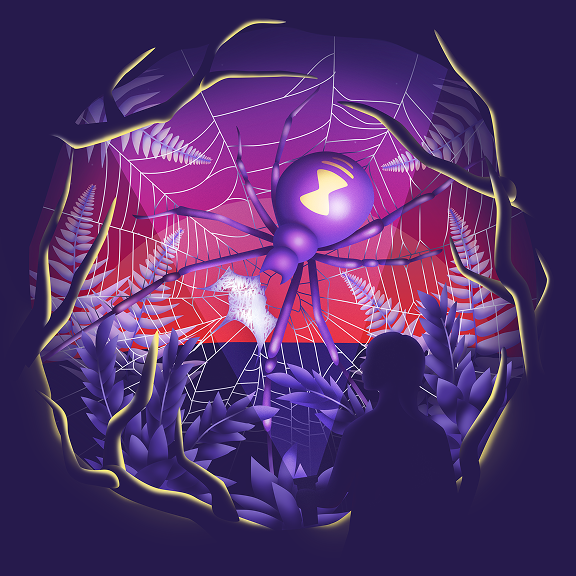
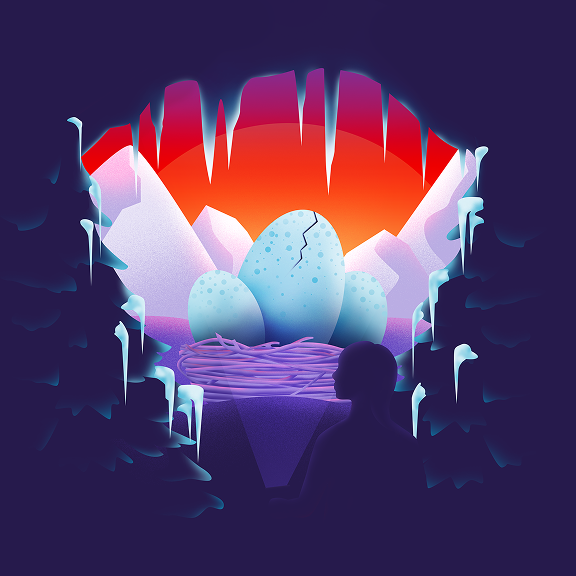
After getting Compiler to market, I joined Command Line Heroes for its final season. The show is a narrative podcast where each episode has unique artwork tied to a single seasonal theme. Season 9 centered on security threats, with episode titles and formats inspired by horror movies and stories.
Creating a visual narrative
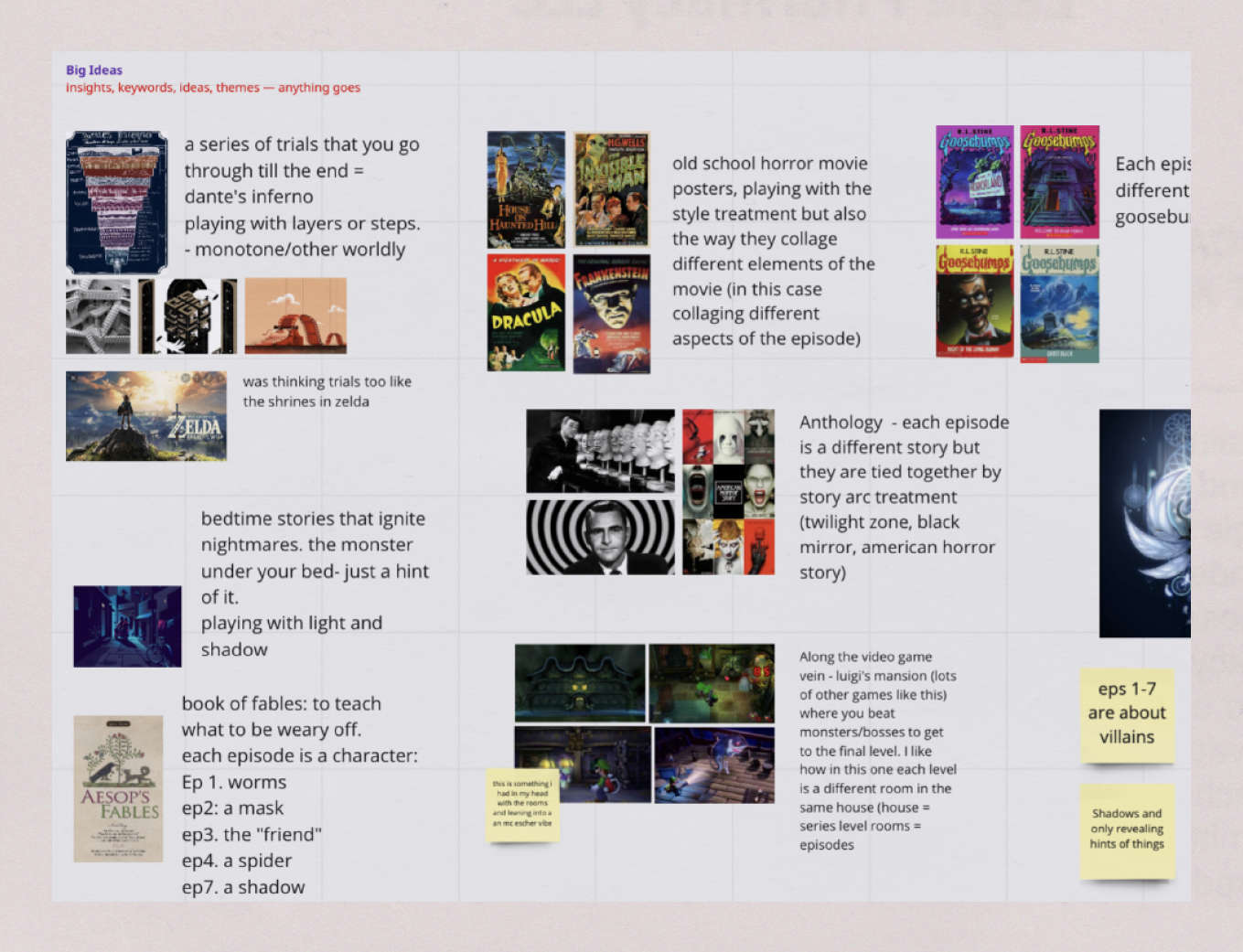
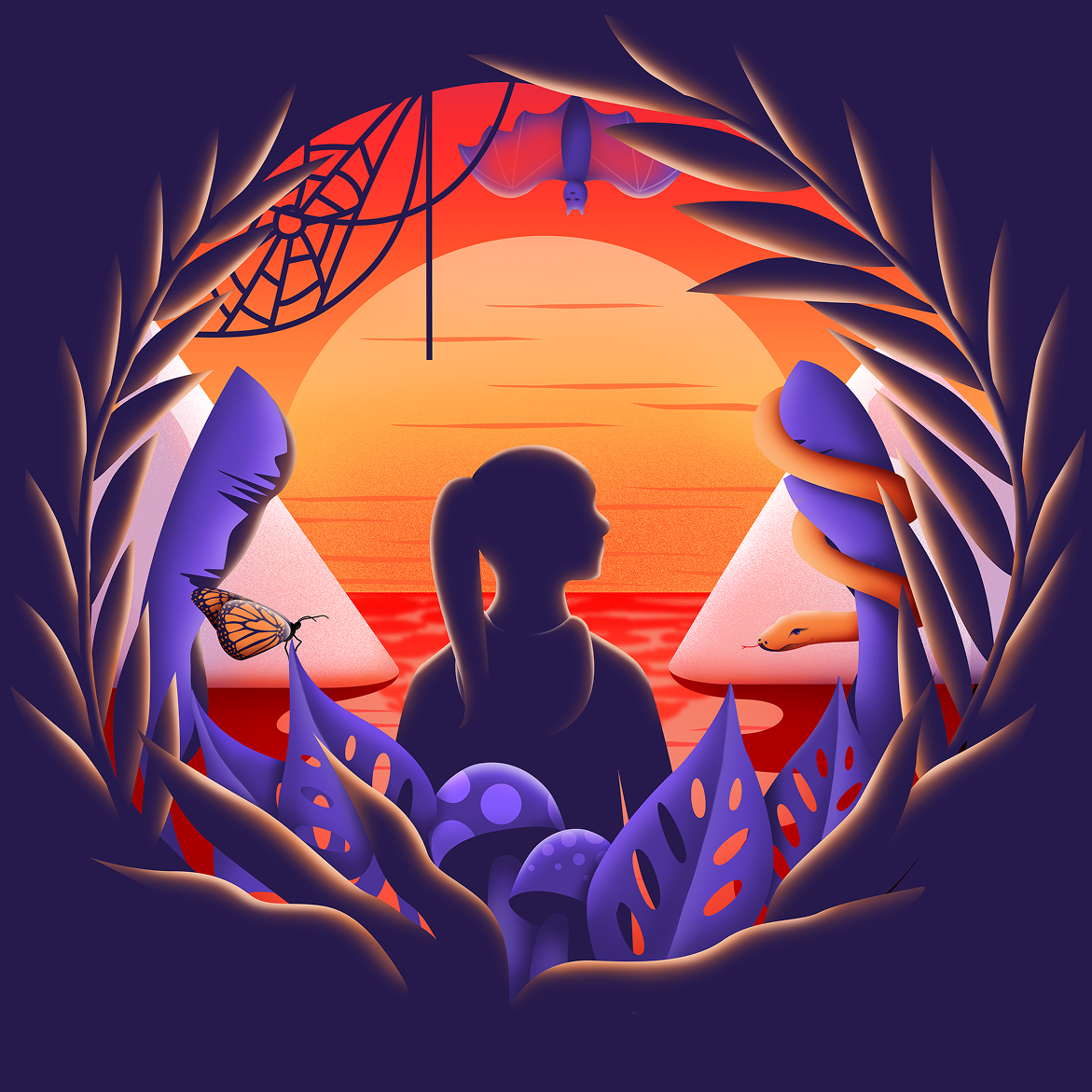
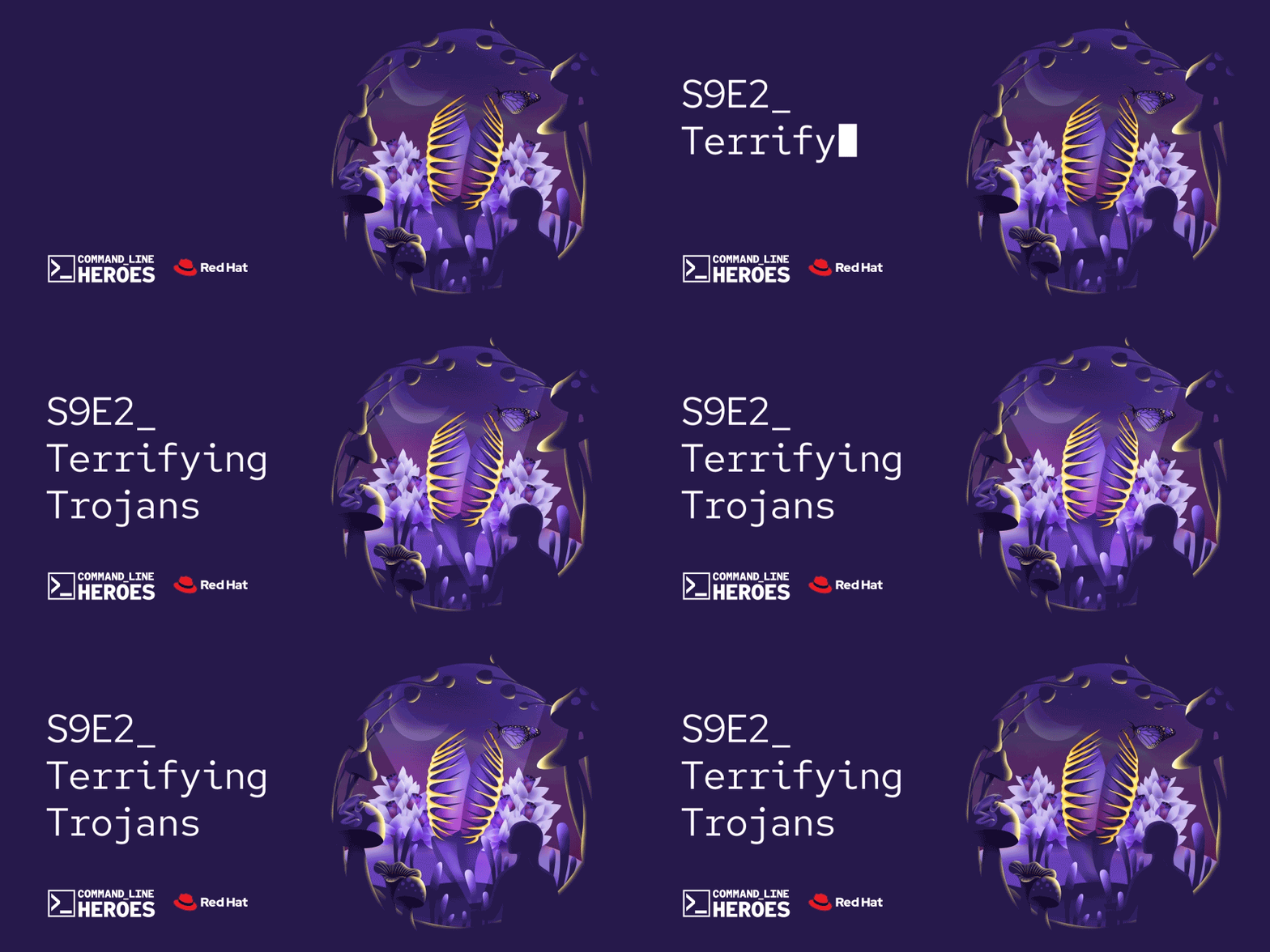
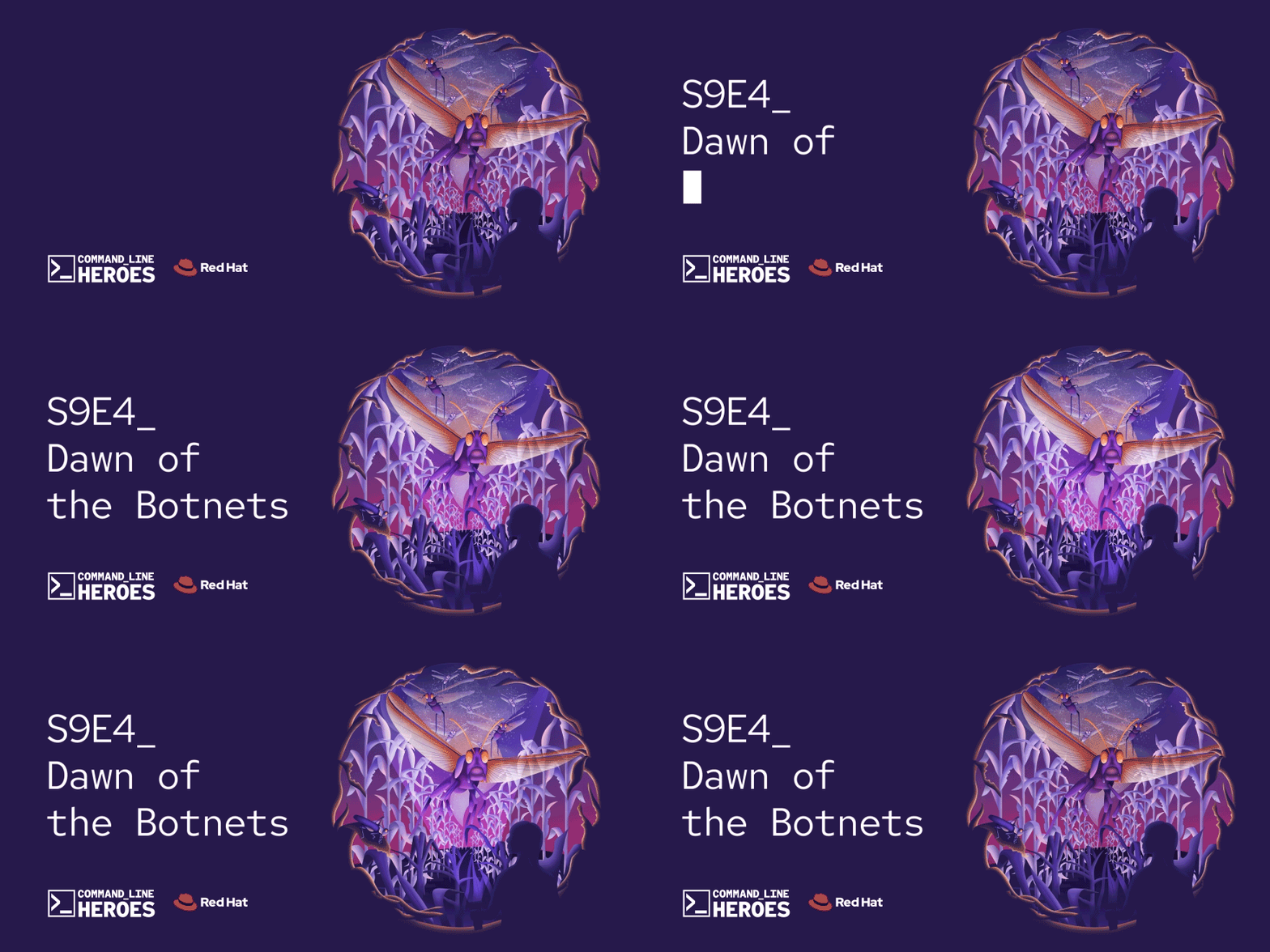
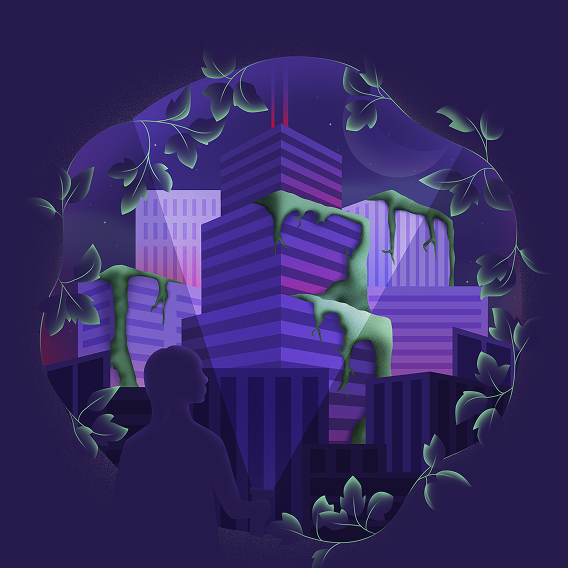
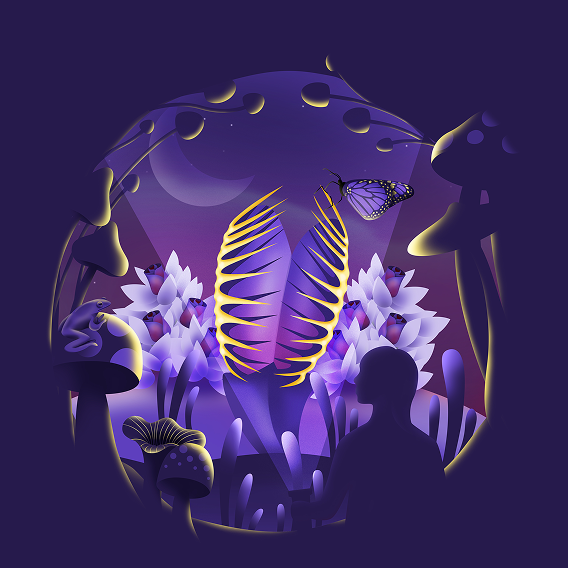
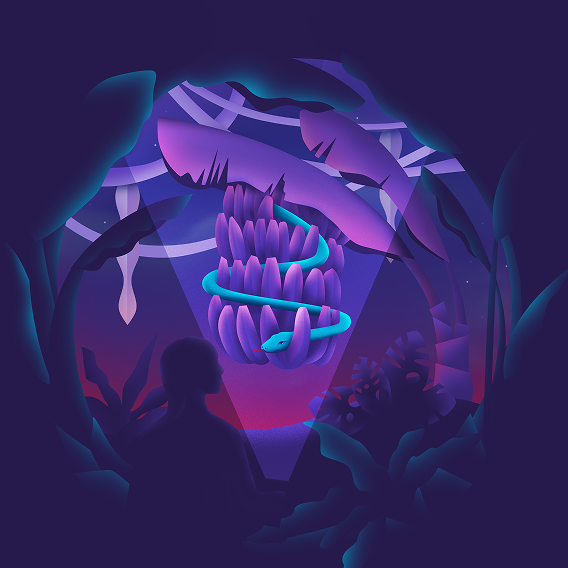
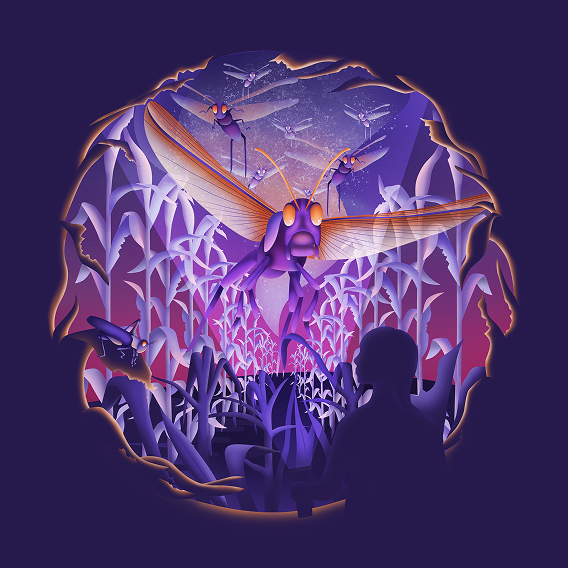
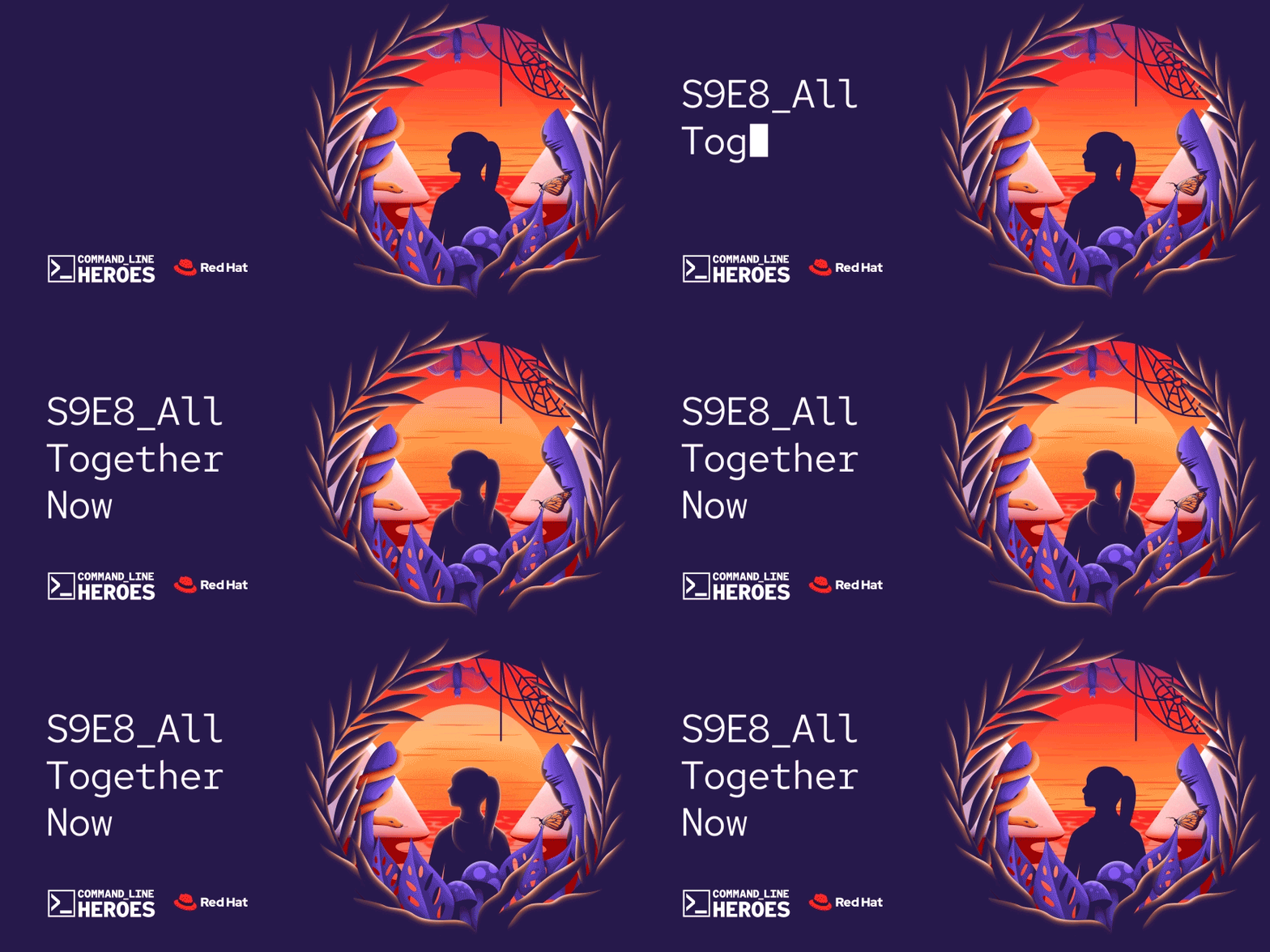
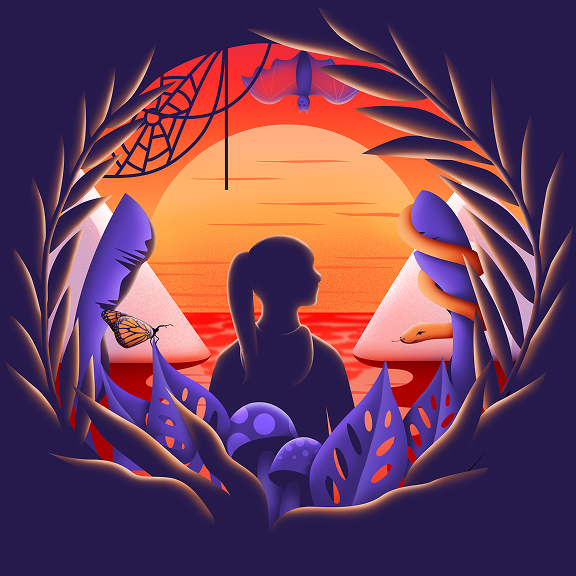
After a few weeks of ideation, we landed on a visual narrative following a protagonist encountering different monsters, each a metaphor for a security threat, on a journey through the night. By the final episode, the protagonist reaches a sunset, which doubled as a nod to the sunsetting of the show itself..
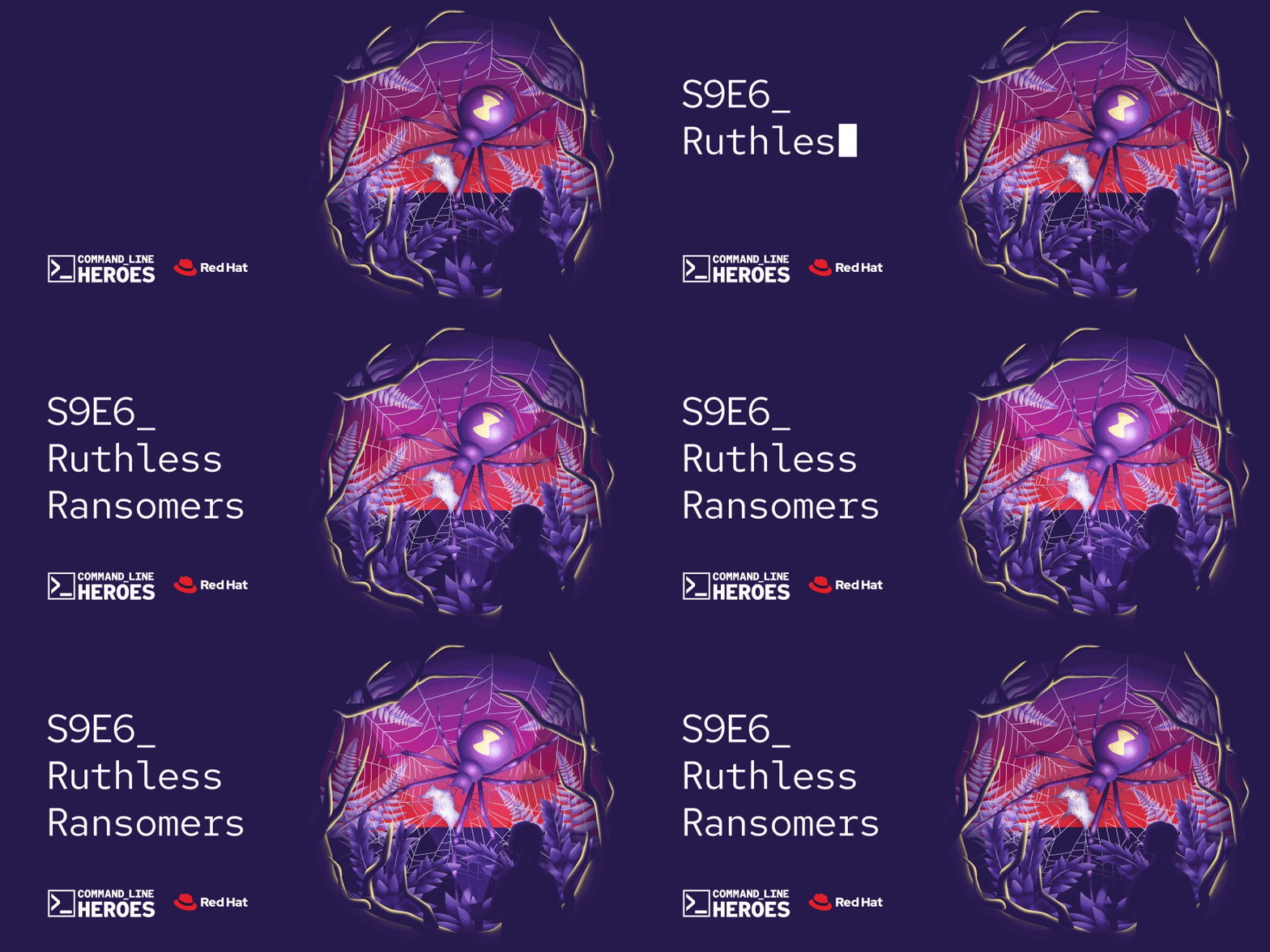
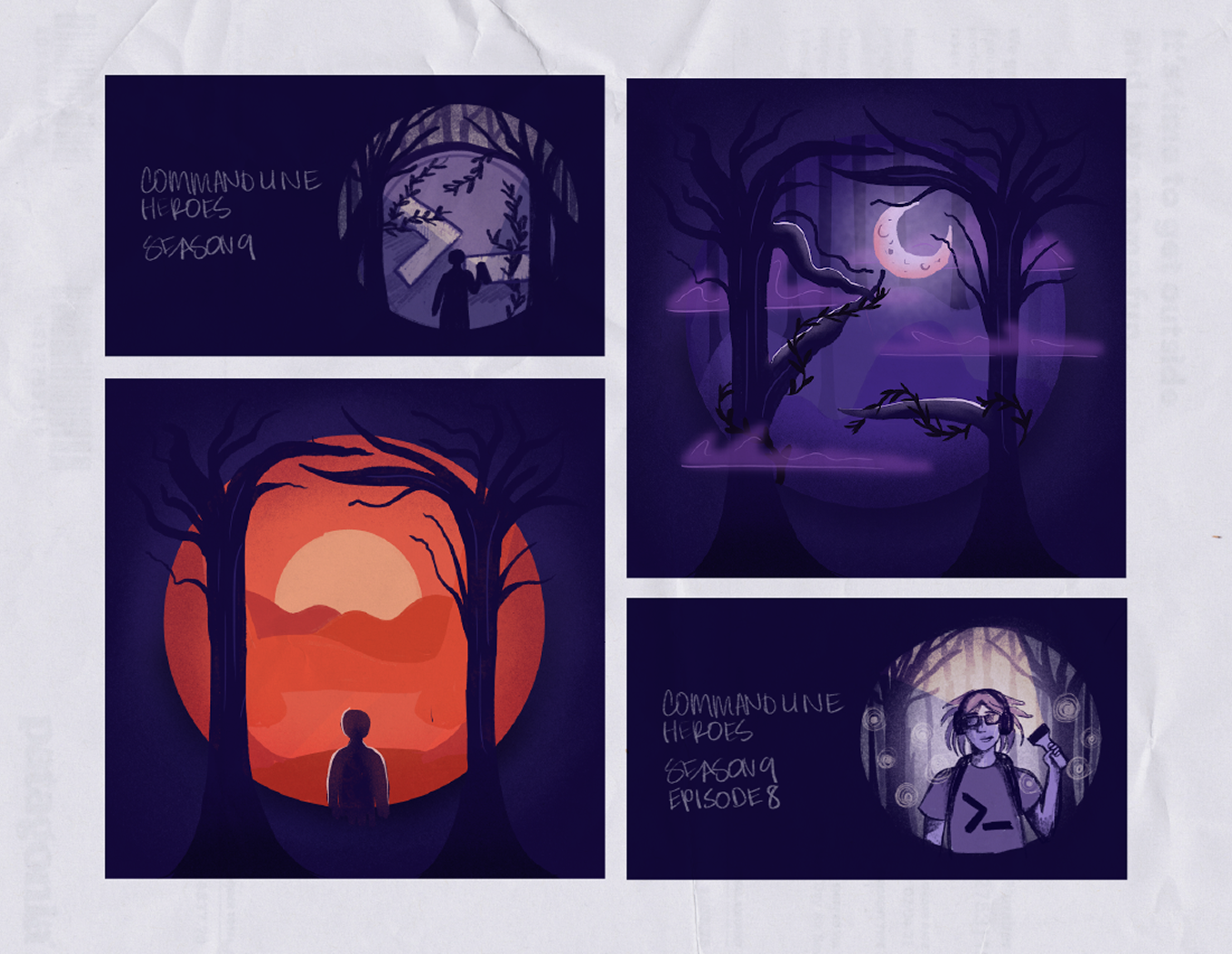
We used episode sketches and a season-level piece to get stakeholder buy-in. I split the episode artwork with another designer, four episodes each. To ensure continuity across two illustrators, we got very systematic, building each piece on a four-part layering system with corresponding primary colors.
Building episode art
I created the artwork for episodes 2,4,6, and 8, the final episode of the show.
Growing Red Hat Audio
What started as one show in its 7th season is now a growing tech podcast network with two shows in market and plans to expand. Through Command Line Heroes and Compiler, we streamlined how we conceptualize, produce, and promote episodes, and established a visual standard that differentiates Red Hat in the tech podcasting space.